Blankets serve a primary function of warmth and comfort, acting as a versatile layer for bedding, nursery environments, and lounging spaces. They vary in material, weight, and weave, influencing insulation, softness, and durability. Understanding fabric types, care requirements, and size options helps users select appropriate blankets for different seasons and settings.
In nursery contexts, blankets are designed with safety and snuggling in mind. Soft, breathable fibers reduce overheating while providing a gentle touch for infants. Common choices emphasize easy laundering and finished edges to prevent loose threads, contributing to a calm sleep environment and restful routines for caregivers and babies alike.
Blankets within this category often blend functional features with aesthetic versatility. Natural fibers like cotton and organic blends offer comfort and sustainability, while knit textures add visual interest and tactile stimulation. Recognizing care instructions, hypoallergenic properties, and appropriate layering helps optimize nightly comfort and daytime lounging habits.
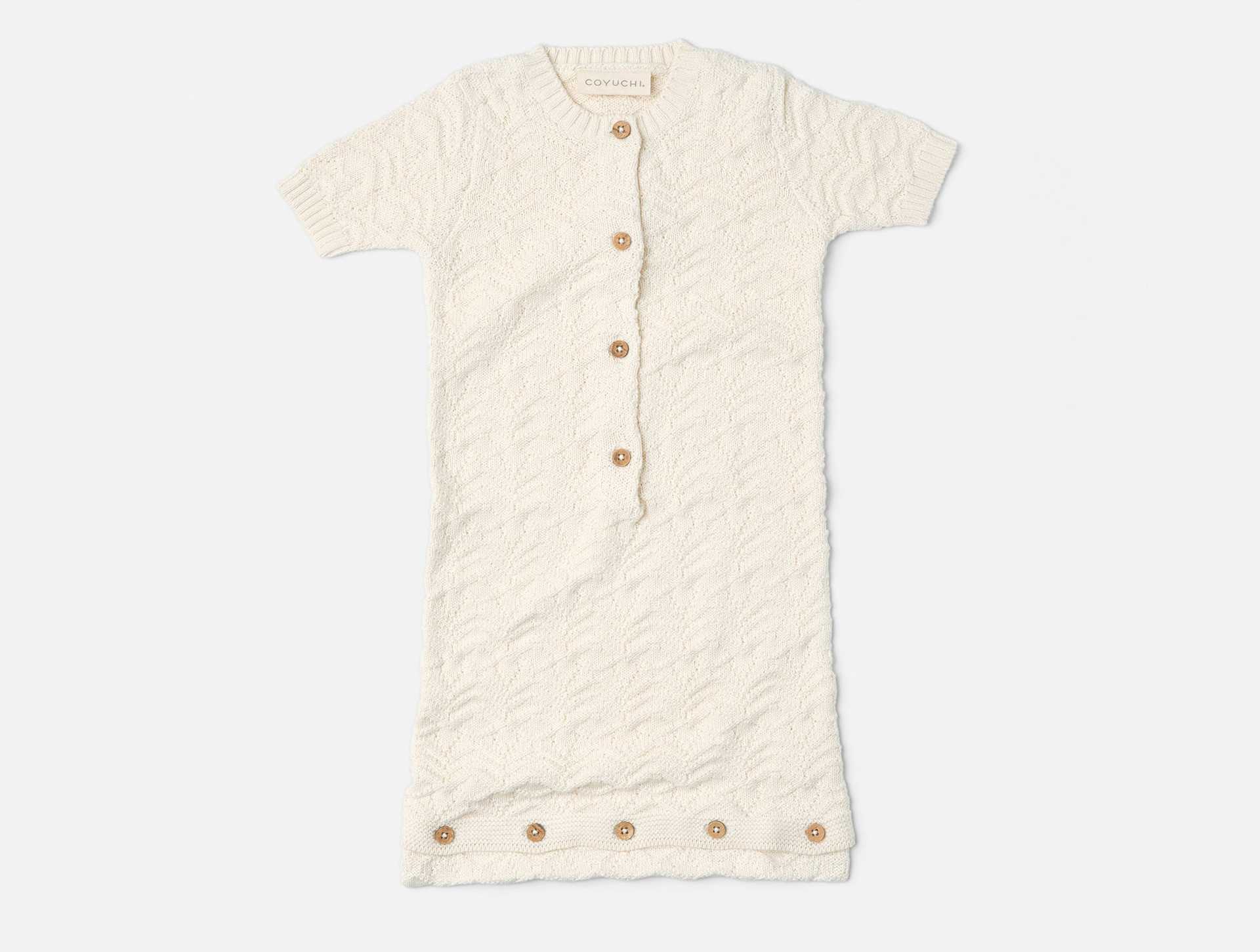
The Wren Organic Knit Snuggle Sack represents a specific example of design that combines warmth with simplicity. Its knit construction fosters a cozy cocoon, while organic materials prioritize gentle contact with skin. Functional benefits include easy layering, temperature regulation, and a comforting shape suitable for newborns and toddlers during naps or quiet time.
Key keywords such as bedding, nursery, furniture, loungewear, and accessories reflect the broader roles blankets play in home environments. By evaluating weight, fiber content, and care needs, users can align blanket choices with sleep routines, lounging practices, and decorative goals across bedrooms and living spaces.
 Bedding