Regional Traditions and Styles in Ugly Christmas Sweaters: A Cultural Survey
Explore how ugly Christmas sweaters reflect regional identities and festive practices across different cultures. This overview highlights patterns, motifs, and sociocultural meanings that make holiday knitwear a mirror of local traditions. Drawing on historical context, craft techniques, and contemporary wear, the article examines why regions-inflected sweaters endure as both memory and commentary in seasonal life.
Ugly sweaters are not merely campy holiday attire; they are artifacts that encode place, climate, folklore, and social rituals. From alpine villages to coastal towns, from urban centers to rural hamlets, patterns travel through yarn and loom, picking up local legends, landscapes, and seasonal labor rhythms. The following survey foregrounds three key regions and the visual language that defines their sweaters, while offering avenues for deeper inquiry, including pattern analysis, archival resources, and regional craft techniques.
1) The Northeast United States: Folk motifs, industrial histories, and festive crossings
In New England and neighboring corridors, ugly sweaters emerged in parallel with textile mills, knitting guilds, and holiday markets. The motifs often hinge on landscape memory—pine forests, snowdrifts, sleds, and winter fauna—paired with geometric bands that recall traditional Fair Isle-like influences translated into accessible domestic patterns. These sweaters carry a lineage of craft that intersects with regional storytelling, seasonal work rhythms, and the social rituals of community gatherings during the long winter months.
Designs from this region frequently balance bold color blocking with repeating motifs that function as visual genealogies: evergreen trees representing enduring families, stars for guiding lights, and snowflakes as universal signifiers of cold weather hospitality. The Northeast’s knitwear thus acts as a social archive, a wearable record of shared experiences as the season folds into holiday verse and family feasts.
Key individuals who shaped this region’s sweater culture include:
Margaret “Maggie” O’Connell (late 19th to early 20th century) — A folklorist-turned-crafts advocate who documented regional knitting patterns in small-town journals, helping to preserve motifs that later inspired community classes and craft fairs.
Jonathan Reed (1930s–1960s) — Industrial designer who collaborated with local mills to translate rustic motifs into mass-produced yet regionally distinctive sweaters that circulated through holiday markets.
Dr. Helen Vargas (1970s–1990s) — Textile historian who cataloged regional sweater traditions in university archives, emphasizing the social functions of knitwear in winter celebrations and intergenerational transfer of techniques.
2) The Midwest and Great Lakes: Motors, farms, and midwestern whimsy
The Great Lakes region fuses practical, durable garment design with a taste for irony and humor. Sweaters here often deploy sturdy, repeatable motifs—geometric chevrons, wind-blown snow, and farmstead icons—that echo rural life and industrial resilience. The climate’s bite invites layering; consequently, sweaters from this zone tend to emphasize both warmth and playfulness, balancing utilitarian texture with playful narratives that celebrate hard work and communal cheer.
Regional variations frequently reflect the region’s cultural mix: Scandinavian influences in some communities, Indigenous patterns echoed in others, and a robust appetite for pop culture references that become inside jokes within families and neighborhoods. This creates a sweater landscape that is at once familiar and surprising—a catalog of local jokes and shared memories stitched into wool and acrylic.
Illustrative figures in Midwestern sweater scholarship include:
Dr. Samuel Cho (1950s–1980s) — Ethnographer who studied how winter rituals shaped garment choices, including the role of sweaters in shaping community identity during holiday gatherings and harvest celebrations.
Maria Elena Petrov (1980s–2000s) — Designer who collaborated with regional artisans to create accessible kits that encouraged families to craft their own ugly sweaters with local flair.
Professor Daniel Kline (2000s–present) — Cultural studies scholar who argues that Midwestern sweaters encode social cohesion and the humor that sustains it through long winters.
3) The American South and Southwest: Colorplay, adaptation, and warmth in holiday storytelling
In warmer climes, ugly sweaters frequently pivot toward bright color schemes and motifs that evoke deserts, yuletide folklore, and regional flora. The color sensibilities—sun-kissed hues, turquoise accents, and saturated greens—reimagine winter in a way that nods to local landscapes while preserving the whimsical, maximalist spirit of ugly sweaters. The result is a diffusion of traditional motifs into more tropical or arid-inspired settings, expanding the palette of what “ugly” can convey.
Patterns may echo palm fronds, cacti, or coastal shells blended with classic snowflakes, stars, or reindeer. The juxtaposition of familiar holiday symbols with regional scenery produces a culturally resonant form of storytelling that speaks to place as much as to season.
Prominent contributors to Southern and Southwestern sweater cultures include:
Dr. Lila Moreno (1990s–present) — Anthropologist who has explored how families in warmer regions adapt traditional motifs, resulting in designs that honor both heritage and climate realities.
Connor Hale (2000s–present) — Quiltmaker and knitter who incorporates desert flora and coastal imagery into evergreen formats for festive display.
Shanice Okafor (2010s–present) — Cultural curator who highlights regional storytelling through sweater exhibitions and collaborative community projects.
Cross-regional threads: motifs, memory, and meaning
Beyond borders, ugly sweaters function as a shared canvas where regional identities converse. Patterns migrate through networks of family, school, and local commerce, evolving as communities reinterpret symbols in response to migration, tourism, and media representation. The cross-pollination of motifs—trees and stars, animals and abstract geometry—produces a dynamic visual language that is both rooted in locale and legible to global audiences.
Scholars and designers increasingly emphasize the sociocultural dimensions of ugly sweaters, arguing that the appeal rests less in crude aesthetics and more in the communal processes that create and display them. The sweaters serve as portable archives, enabling intergenerational conversations about place, seasonality, humor, and heritage.
Methodology and sources for regional study
This survey draws on a combination of historical textiles scholarship, regional craft documentation, and contemporary curatorial practice. Primary sources include archival catalogs of knitting patterns, regional fairs and parades, and oral histories collected from artisans and families who have kept local patterns alive. Secondary sources include fashion history journals, cultural studies analyses, and museum catalogues that address the social life of holiday garments. Where possible, we reference pattern families, motif dictionaries, and regional textile techniques to illuminate how aesthetics travel from loom to living room.
In digital scholarship, image archives, pattern repositories, and maker networks play a crucial role in democratizing access to regional knowledge. The field benefits when researchers pair visual analysis with ethnographic context, ensuring that interpretations honor community voices and traditions.
Terminology and interpretation: a note for readers
When discussing regional ugly sweaters, terms like “pattern,” “motif,” and “symbol” carry specific meanings. A motif is a recurring element—a tree, a star, a snowflake—that functions as a design unit. A pattern is the arrangement of motifs across a garment, often structured in bands or blocks. A symbol is an emblem with cultural significance, which may reference folklore, regional lore, or seasonal life. Recognizing these terms helps readers interpret why certain designs resonate within a community and how they communicate collective memory.
Understanding material choices—yarn weight, fiber type, and construction technique—also clarifies why some sweaters feel timeless while others echo a particular era’s aesthetics. The tactile experience of wool, acrylic, or blends matters as much as the visual composition, shaping how a garment wears in different climates and occasions.
Angles for deeper articles and ongoing inquiry
Regional pattern analysis: cataloguing motif families by region and mapping their historical provenance.
Archival sources: exploring libraries, museums, and family collections to trace the diffusion of patterns over time.
Craft techniques: comparing domestic knitting methods across regions and identifying shared innovations.
Socio-cultural impact: examining how ugly sweaters shape holiday rituals, social humor, and intergenerational learning.
Modern reinterpretations: documenting contemporary designers who reinterpret regional motifs for global audiences while retaining authenticity.
Future pieces could include interactive timelines, regional pattern galleries, and interviews with contemporary makers who continue the tradition. The field invites collaboration with educators, museums, and community organizations to create accessible, well-sourced resources that celebrate regional diversity and the enduring charm of ugly Christmas sweaters.
Representative items that resonate with regional storytelling
To ground the discussion in tangible objects, we highlight select pieces that echo regional aesthetics, craftsmanship, and the holiday spirit. These items demonstrate how design translates cultural memory into wearable and decorative form. Each product showcases a distinctive approach to holiday ornamentation while staying faithful to the idea that sweaters and related decor can carry regional identity into shared spaces.
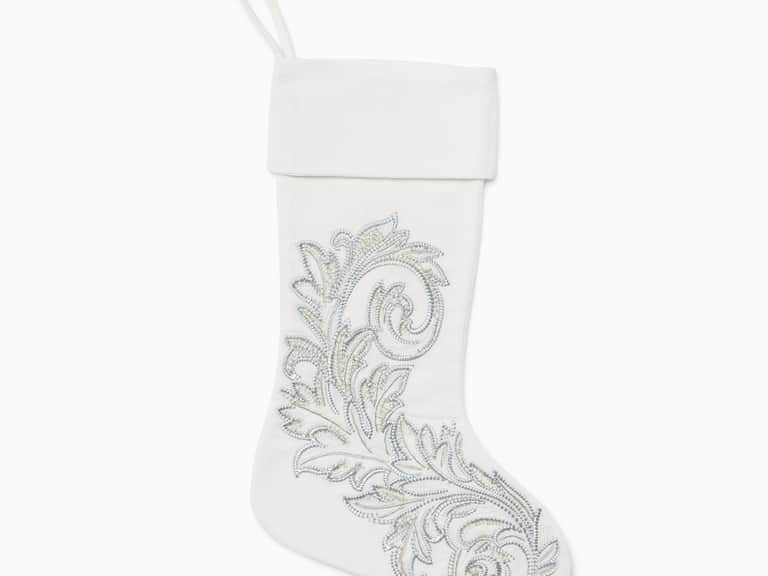
Frosty Stocking
SFERRA’s Frosty Stocking embodies holiday refinement with hand embroidery on piece-dyed cotton velvet. Its timeless cuff and delicate workmanship render it a mantelpiece heirloom rather than a simple decoration.
Price: 122.00
Origin: Product data provided; monogram options available on request
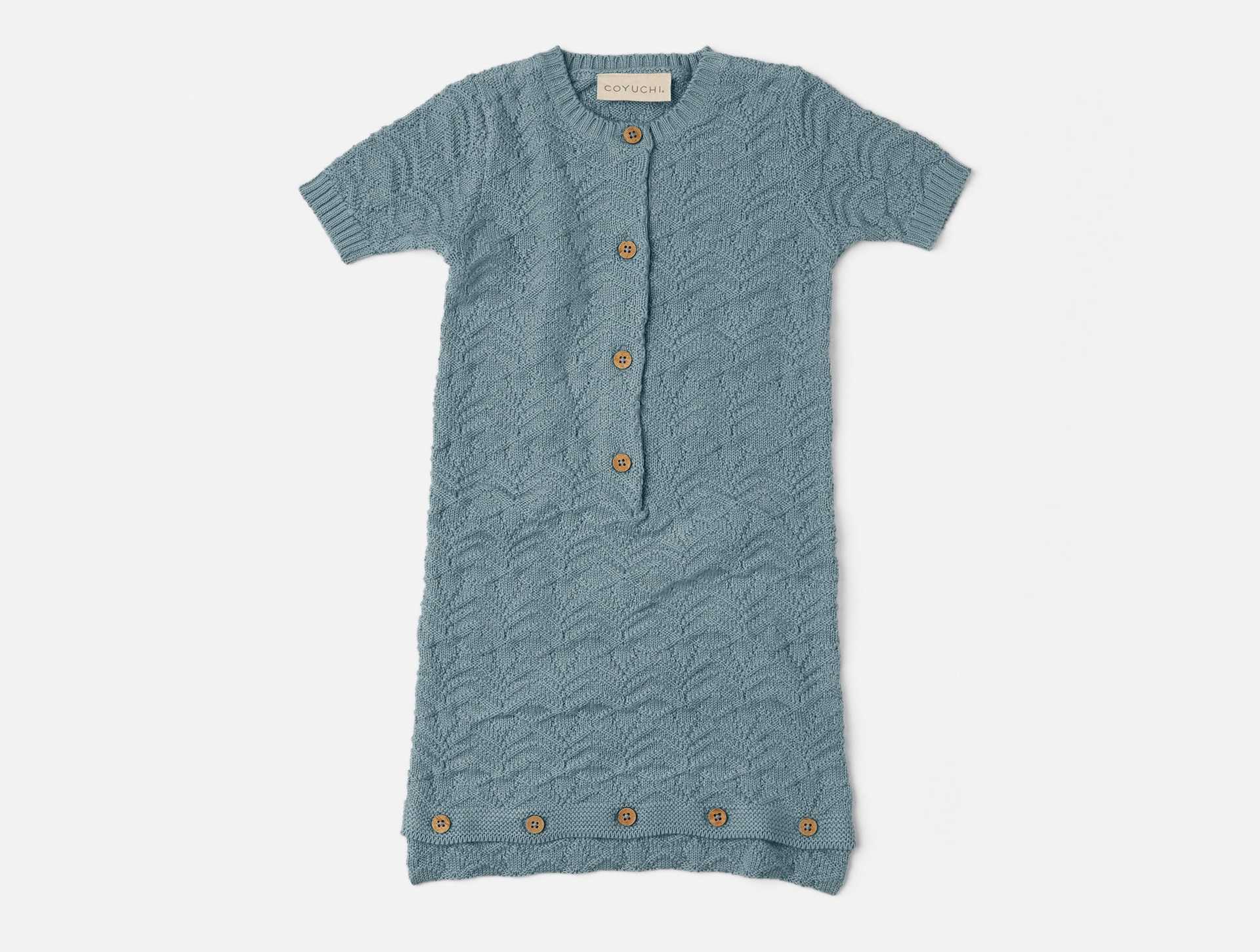
Wren Organic Knit Snuggle Sack
A baby sleep essential made from 100% GOTS-certified organic cotton. Its soft knit and rib details reflect how regional care for materials translates into modern, family-centered design.
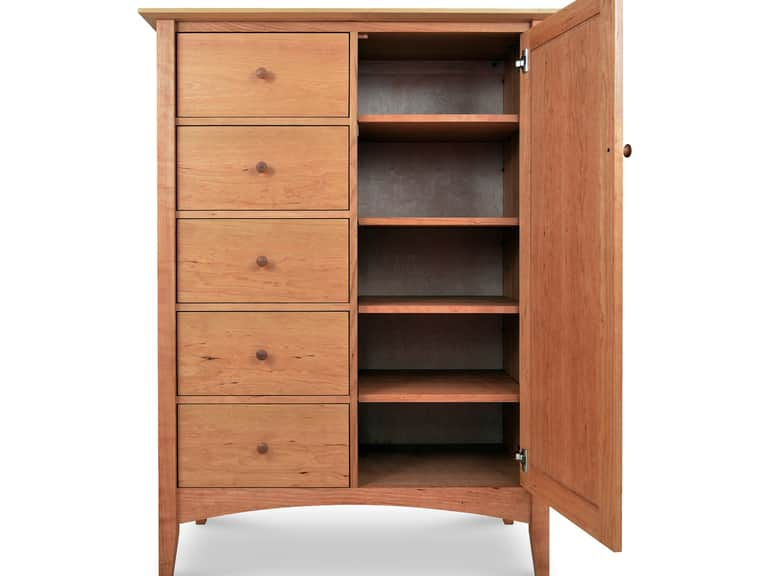
A Vermont-crafted storage piece that blends utility with a minimalist aesthetic, echoing the region’s ethos of sturdy craftsmanship and timeless design.
Price: 7392.00
Origin: Vermont, USA
Andover Modern Sweater Chest
A contemporary storage piece that nods to traditional woodworking while delivering modern functionality and space efficiency.
Price: Contact for details
Origin: Vermont, USA
Conclusion: region as runway, memory as motif
Regional traditions in ugly Christmas sweaters reveal much about how communities negotiate memory, humor, and belonging during the holiday season. The sweaters act as portable storybooks—each motif, color choice, and pattern a sentence in a larger conversation about place and person. As fashion history continues to emphasize regional voices within global conversations, ugly sweaters stand as a reminder that the season’s most enduring aesthetics are often the ones that tell us who we are, together, in a place and time that welcomes us with warmth—and a wink.
Further study is encouraged: visit libraries and museums, collect family patterns, and engage with local knitter circles to document how the sweater tradition evolves. In a world where style is increasingly fluid, regionalized sweaters remind us that authenticity often grows from shared spaces, seasonal rituals, and the simple act of crafting something with care.
Elevate holidays with Frosty Stocking: soft, piece-dyed cotton velvet, delicate hand embroidery, and a refined velvet cuff for a timeless mantelpiece you’ll treasure year after year. Easy to display, exquisite to gift.
Snuggle in soft, breathable organic cotton that’s safe for sleep, with easy front access and a bottom opening for quick changes, plus a cozy knit texture. Machine washable and made in a Fair Trade factory for mindful comfort.
Handcrafted Vermont solid hardwood sweater chest with five drawers and a closet door with rod and adjustable shelves—offers sturdy, organized storage for garments and accessories in a compact footprint.