Textiles & everyday comfort
How Coyuchi’s Cotton Textures Shape a More Comfortable Bed
A bed’s comfort is built in the details: the cotton fiber, the way yarns cross, and the finish left on the cloth. Understanding those choices makes it easier to compare bedding by how it feels and performs—not by a single number on a label.
There is a small daily test for bedding. At night, does the sheet feel cool or warm? In the morning, does it seem crisp, brushed, or rumpled? Does it breathe when the room heats up, and does it remain pleasant after repeated washing? These are not questions answered by thread count alone. They point instead to a fabric’s structure: its fibers, yarns, weave, and finish.
Coyuchi offers a useful lens for considering those decisions because the brand is associated with cotton textiles and bedding, as well as products that foreground natural fibers. The name is not a substitute for examining a particular item’s label. Rather, it provides a starting point for a broader lesson: “cotton” describes a fiber, not a complete sensory experience. Two cotton fabrics may feel strikingly different because their yarns and construction differ.
For shoppers, that distinction matters. A comfortable bed is not necessarily the softest bed in the first minute. Comfort also means a fabric that suits the sleeper, climate, routine, and expectations for care. Texture is not decoration laid on top of function. In bedding, it is one of the ways function is made tangible.
Start with the fiber, then look closer
Cotton is a plant fiber spun into yarn and woven or knitted into fabric. Its familiar appeal comes from a combination of qualities: it can feel soft, it can absorb moisture, and it can be made into textiles ranging from light and airy to substantial and dense. But “cotton” does not guarantee one particular level of softness or breathability. The final result depends on the fiber’s characteristics and how it is processed and made into cloth.
Fiber length is one part of that story. Longer cotton fibers can be spun into smoother yarns with fewer exposed fiber ends, which may contribute to a softer hand and a more even surface. Shorter fibers can produce a different feel and may be more prone to pilling, depending on yarn construction and use. Fiber length is useful context, but it is not a complete quality score: finishing, weave, and care also affect how a textile behaves over time.
Labels can help clarify what a product contains. Look for the stated fiber composition and any specific, verifiable certification rather than relying on broad words such as “natural” or “premium.” Certifications have defined standards and scopes; they do not, on their own, promise that every sleeper will find a fabric comfortable. They can, however, give shoppers more information about how a textile was produced or assessed.
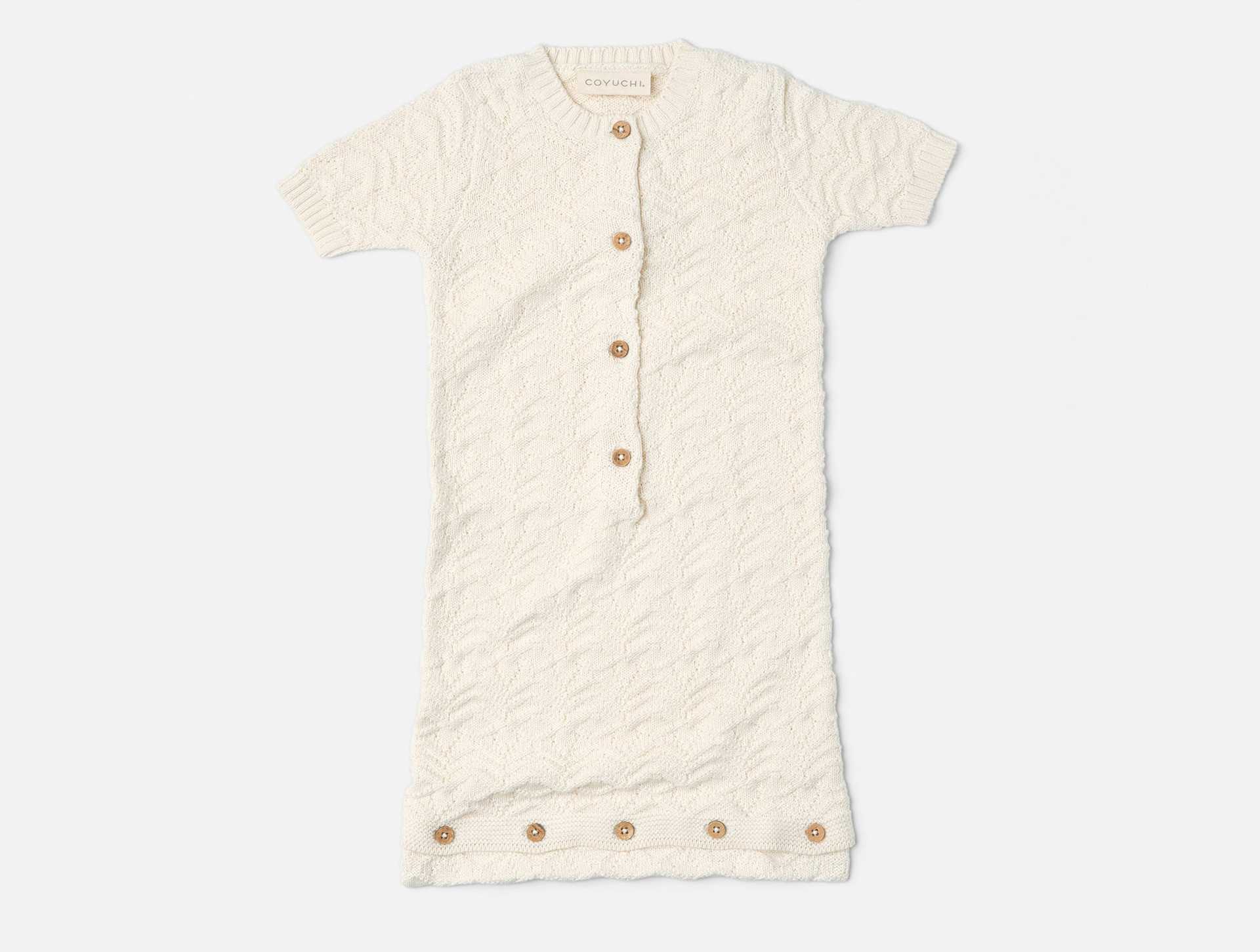
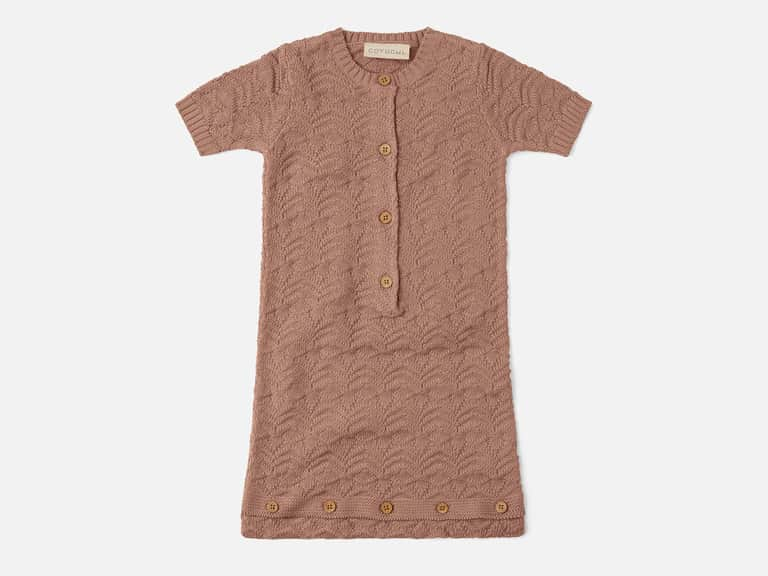
For a baby’s nursery, a knit cotton item offers another way to notice the relationship between fiber and structure. The Wren Organic Knit Snuggle Sack, for example, is described as a 100% GOTS-certified organic cotton knit with a subtle textured stitch and rib-knit details. It is not bed linen, but it makes the point clearly: the same broad fiber category can take on a distinctive feel through the way it is knitted. For infant sleep, always follow current safe-sleep guidance and the product’s instructions; fabric softness is not a substitute for those precautions.
Weave is the architecture of the surface
In woven bedding, the basic structure is an intersection of lengthwise yarns, called the warp, and crosswise yarns, called the weft. How those yarns pass over and under one another shapes the fabric’s surface, drape, durability, and perceived temperature. A weave is therefore more than a technical detail. It is a blueprint for the way a sheet meets the body.
Percale is commonly made with a simple, balanced one-over-one-under structure. It often has a matte appearance and a crisp, cool hand. That sensation can appeal to sleepers who prefer a clean, freshly made feel or who find heavier, smoother sheets too warm. Percale may soften with washing, though its character also depends on the yarn, fabric weight, and finishing.
Sateen uses a weave structure that places more yarn surface on one side of the fabric. That can create a smoother face and a subtle sheen, with a fluid drape that feels different from percale. Some people find sateen especially inviting in cooler months; others may prefer the more open, crisp impression of percale. Neither weave is automatically superior. They answer different preferences.
Other cotton constructions can add further variation. A textured weave may bring visible depth and a more tactile surface. Jersey, which is knitted rather than woven, tends to stretch and feel more like a soft T-shirt. Flannel is brushed to raise fibers at the surface, creating a warmer, fuzzy hand. Each choice changes the relationship between texture and temperature, and each deserves to be judged by the conditions in which it will be used.
When product descriptions use terms such as “crisp,” “silky,” “soft,” or “textured,” translate them into questions. Is the surface matte or lustrous? Does the cloth drape closely or hold its shape? Is the texture smooth, raised, brushed, or visibly woven? The more precisely a description maps to construction, the more useful it is when comparing options.
Breathability is a system, not a slogan
Cotton’s ability to absorb moisture is often cited as a reason to choose it for bedding. Yet the feeling of staying comfortable overnight is shaped by more than fiber content. Fabric weight, weave density, finishing, room temperature, mattress layers, sleepwear, and personal physiology all play a part. A breathable sheet cannot control the entire sleep environment, but it can influence how heat and moisture feel at the surface.
A lighter, more open-feeling fabric may suit someone who runs warm or lives in a humid climate. A denser or brushed textile may feel reassuring when the room is cool. These are practical tendencies, not guarantees. People differ, and the same sheet can feel different from one season to another, or from one household to the next.
Layering is another part of the equation. A fitted sheet, top sheet, blanket, and duvet each contribute to warmth and airflow. If a bed feels too hot, changing the cover alone may not resolve the issue; the fill and weight of the layers above it may matter more. Conversely, a light sheet may feel comfortable beneath a warmer blanket because each layer has a different job.
For useful comparisons, think in terms of the whole bed. Ask what the sheet is meant to do, what climate it will serve, and whether it will be used year-round or rotated seasonally. This approach is more grounded than treating any one cotton weave as a universal answer to temperature regulation.
Softness changes with use
The first touch is only an opening scene. Bedding is washed, dried, folded, and slept on; its texture evolves. Some cotton fabrics arrive with a crisp hand and relax over time. Others begin smooth and may become rougher if exposed to harsh detergents, high heat, or friction. A soft finish can also affect the initial impression, while the underlying yarn and weave influence how that impression develops.
This is why “softest” can be a misleading target. A very smooth fabric may feel luxurious at first but not match someone who prefers a little structure. A crisp fabric may initially seem less yielding yet become more comfortable as it is laundered. The more useful question is whether the textile’s character suits the sleeper and whether it can be maintained without undue effort.
There is a practical way to evaluate that character before buying: compare construction details, read the care instructions, and consider the kind of hand you already enjoy. If possible, feel the fabric in person. If shopping remotely, seek clear descriptions of weave, finish, weight, and composition rather than relying on a single numerical claim.
Thread count: one clue, not the verdict
Thread count is often treated as a shortcut for quality, but it counts the number of threads in a measured area of fabric. It does not by itself describe fiber length, yarn quality, weave, finish, or durability. Counting conventions can also differ, particularly when manufacturers include multiple plies in a yarn. That makes comparisons across products less straightforward than the label may suggest.
A high figure is not automatically a promise of greater comfort. A dense cloth may feel smooth and substantial, but density can also influence warmth and drape. A lower-count fabric made with well-constructed yarns and a weave suited to the intended use may be a better fit for a particular sleeper. The number only becomes meaningful alongside other information.
Instead of shopping by a threshold, use a short checklist: What is the fiber? What is the weave or knit? How does the manufacturer describe the finish? What are the washing instructions? Are the product claims specific enough to compare? These questions provide a fuller picture of fabric performance than thread count alone.
Finishing gives cotton its final character
After weaving or knitting, textiles may undergo processes that affect appearance and feel. Finishing can smooth, soften, stabilize, or otherwise alter a fabric’s surface. Some finishing choices make cloth feel especially soft when new; others preserve a more natural, crisp, or textured hand. Descriptions are not always standardized, so it is worth distinguishing what a brand says from what can be verified on the label or product specification.
“Prewashed,” for example, generally signals that a fabric has been washed before it reaches the buyer, which may change its initial hand or help reveal how it behaves after laundering. It does not mean the textile is maintenance-free or immune to shrinkage. Similarly, “organic” refers to production standards for the fiber and associated certification claims; it does not tell you whether a sheet will feel crisp, silky, or cool.
For a brand-focused comparison, Coyuchi can be considered in this same careful way. Look at the details of the specific bedding item rather than assuming that every cotton product under a single label has identical texture or performance. A brand may offer a range of constructions, and the useful question is how a particular product’s materials and making align with a particular person’s needs.
Care is part of comfort
Laundry is where textile promises meet household reality. Cotton bedding usually benefits from following the care label, using an appropriate wash cycle, and avoiding unnecessarily harsh treatment. Excess detergent can leave residue that changes the way fabric feels. High heat and vigorous drying can contribute to wear or shrinkage, while overloading a washer can limit rinsing and increase friction.
Care instructions vary by product, so there is no universal temperature or drying method that suits every sheet. A gentle approach is often sensible: wash like colors together, use a suitable amount of detergent, and remove bedding promptly when the cycle ends. If line drying is practical, it can reduce exposure to dryer heat; if not, a moderate setting may help limit stress on the fibers. The product label should take priority.
Storage matters, too. Bedding should be fully dry before it is folded away. Store it in a clean, dry place with enough room for air to circulate. Rotating sets can spread out wear, while addressing small snags or loose seams early may help prevent larger damage.
Care is not a tedious footnote to comfort. A textile that feels good but requires a routine that does not fit a household may not be the right choice. The best everyday bedding is often the one whose feel, durability, and maintenance demands work together.
A practical way to compare cotton bedding
A considered purchase begins with a preference, not a trend. Think about whether you like a cool, crisp sheet or a smoother, more fluid one. Note whether you tend to feel warm overnight, whether the bedroom changes substantially by season, and how frequently the bedding will be laundered. Those details provide a useful frame for comparing options.
- Read the composition. Confirm that the item is cotton, a blend, or another fiber, and note any stated certification precisely.
- Identify the construction. Look for weave or knit terms such as percale, sateen, jersey, or flannel when supplied.
- Connect texture to use. Consider whether the described hand and weight fit your climate and layering habits.
- Check care requirements. A fabric’s long-term feel depends partly on whether its recommended care suits your routine.
- Use numbers in context. Thread count and weight can help compare similar constructions, but neither should be read alone.
This checklist is deliberately less dramatic than a promise of perfect sleep. Bedding can contribute to comfort, but it cannot guarantee it. A mattress, room conditions, health, habits, and personal preference all matter. The value of understanding cotton texture is more modest—and more useful: it helps a buyer make a decision with fewer assumptions.
The quiet importance of the everyday textile
Bedding rarely announces itself. It is encountered in dim light, at the beginning and end of a day, and judged through repetition. A good sheet does not need to be remarkable in the abstract. It needs to feel right in a specific room, against a specific skin, through many cycles of sleep and washing.
That is why texture deserves closer attention. Cotton fiber provides the raw material; weave or knit creates the structure; finishing shapes the first impression; care influences the years that follow. Together, those elements explain why two fabrics bearing the same broad label can offer very different experiences.
Viewed this way, Coyuchi is less a shortcut to a verdict than an invitation to look at the fabric itself. Compare the stated construction, consider the feel you prefer, and treat claims about softness and breathability as starting points for inquiry. The most comfortable bed is not defined by a slogan or a number. It is the one whose textiles make the ordinary act of turning in feel a little more considered.